
Planning House Extensions in UK: A Practical Guide to Expanding Your Property
- inquiries18249
- Dec 29, 2025
- 4 min read
Extending your property is a smart way to add space, increase value, and improve your living or working environment. Whether you want a larger kitchen, an extra bedroom, or more office space, planning house extensions in UK requires careful thought and preparation. I will guide you through the essential steps to ensure your project runs smoothly and meets your expectations.
Understanding Planning House Extensions in UK
Before starting any construction, it is crucial to understand the planning rules and regulations that apply in the UK. Local councils have specific guidelines to control how properties can be extended. These rules protect the character of neighbourhoods and ensure developments are safe and suitable.
You should check if your extension needs planning permission. Some small projects fall under "permitted development rights" and do not require formal approval. However, larger or more complex extensions usually need a planning application. Consulting your local council’s planning department or a professional can save time and avoid costly mistakes.
Key points to consider include:
The size and height of the extension relative to your existing property
The impact on neighbours’ privacy and sunlight
The style and materials used to match the original building
Compliance with building regulations for safety and energy efficiency
Taking time to research and prepare your application carefully increases the chances of approval and reduces delays.

Setting a Realistic Budget and Timeline
One of the most important steps in planning house extensions in UK is setting a clear budget and timeline. Construction projects often face unexpected costs and delays, so it is wise to plan for contingencies.
Start by getting detailed quotes from reputable builders or contractors. Include costs for:
Design and architectural plans
Planning application fees
Building materials and labour
Utility connections and upgrades
Interior finishes and landscaping
Add a contingency of around 10-15% to cover unforeseen expenses. Also, consider the impact of VAT and any potential tax reliefs.
Regarding the timeline, discuss with your builder how long each phase will take. Typical house extensions can take from a few weeks to several months depending on size and complexity. Plan for possible weather delays and supply chain issues.
A well-planned budget and schedule help you stay in control and avoid stress during the project.
Designing Your Extension for Maximum Benefit
Design is where your vision takes shape. A well-designed extension should blend seamlessly with your existing property while meeting your functional needs.
Think about how you want to use the new space. For example:
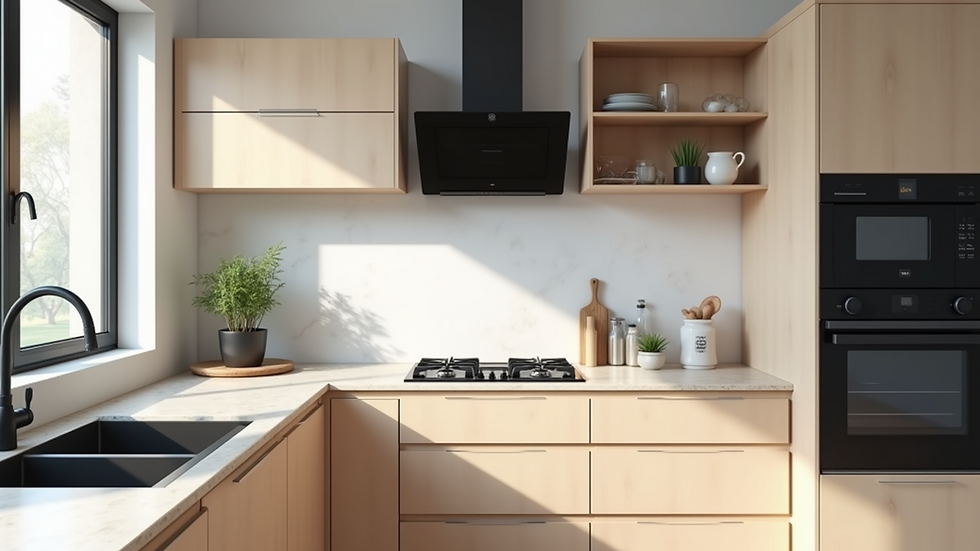
A larger kitchen with an open-plan dining area for family gatherings
A home office with natural light and sound insulation
A ground-floor bedroom for accessibility
Additional retail or storage space for a local business
Work with an architect or designer who understands local styles and building codes. They can help you create plans that maximise natural light, improve energy efficiency, and enhance the overall flow of your home or business.
Consider sustainable materials and technologies such as double glazing, insulation, and solar panels. These features reduce running costs and increase property value.

Choosing the Right Builder and Managing the Project
Selecting a reliable builder is critical to the success of your extension. Look for companies with strong local reputations, relevant experience, and proper insurance.
Ask for references and visit previous projects if possible. Check that the builder is registered with recognised trade bodies and complies with health and safety standards.
Clear communication is essential. Set expectations about:
Work hours and site access
Quality standards and materials
Payment schedules and contract terms
Handling of unexpected issues or changes
Regular site visits and progress meetings help you stay informed and address problems early. Keep all documentation, including contracts, invoices, and correspondence, organised.
If you are extending a commercial property, ensure minimal disruption to your business operations by planning work phases carefully.
Navigating Legal and Regulatory Requirements
Beyond planning permission, your extension must comply with building regulations. These rules cover structural safety, fire protection, ventilation, drainage, and energy efficiency.
You will need inspections at various stages by building control officers. Your builder or architect can help coordinate these visits.
If your property is listed or in a conservation area, additional restrictions may apply. Consult specialists to avoid legal complications.
Also, consider party wall agreements if your extension affects shared walls with neighbours. Early communication and formal agreements prevent disputes.
Enhancing Your Property with Thoughtful Extensions
A well-executed extension transforms your property. It adds space, comfort, and value. By carefully planning and managing the process, you can create a beautiful, functional area tailored to your needs.
If you want to explore options or get professional advice, consider contacting local experts who specialise in home extensions. They understand the Bedfordshire, Hertfordshire, and Buckinghamshire markets and can guide you from concept to completion.
With the right approach, your extension will be a lasting investment that improves your lifestyle and property worth.
Taking the Next Step with Confidence
Planning house extensions in UK is a rewarding challenge. It requires knowledge, organisation, and good partnerships. By following these practical steps, you can avoid common pitfalls and achieve excellent results.
Start by researching your local planning rules, setting a realistic budget, and designing a space that fits your lifestyle or business. Choose trusted professionals and stay involved throughout the project.
Your dream space is within reach. Take the first step today and turn your vision into reality.


Comments